A faint blue flicker is physics. A real spark, a pop, or black marks is a worn outlet — stop using it and call.
Three causes cover almost every call we get for this.
Outlets that no longer grip the plug arc across the gap under load. Common after 15–20 years.
A backstab or loose screw heats and arcs every time current flows.
Water in the box, a cracked face, or a melted insert. Replace, and fix what let the water in.
Takes a minute, costs nothing, fixes it more often than you would think.
If the spark was tiny and blue and the outlet face is clean and cool, it was normal contact arcing — no action needed.
Still happening? That's our job.
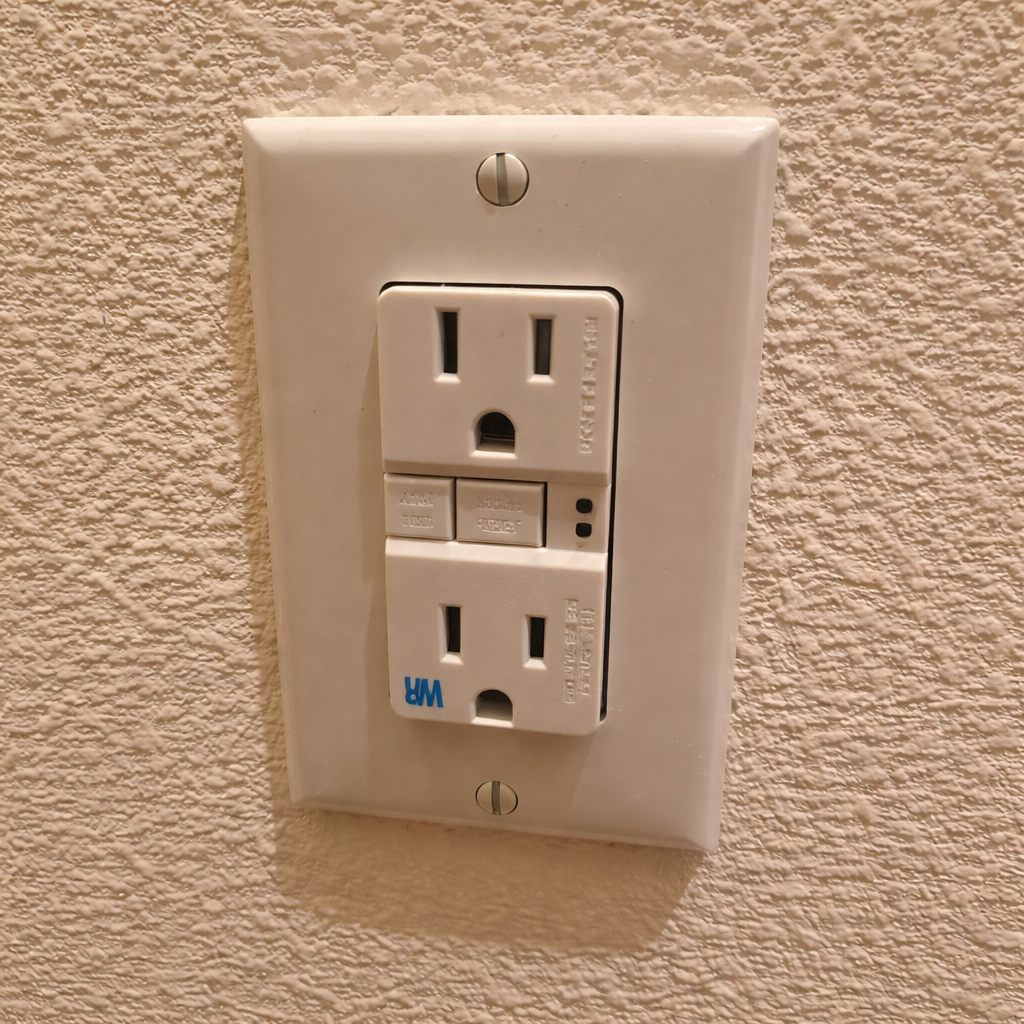
Visible sparking at an outlet is the stage right before heat damage.
Online or by phone. A technician reaches out within 1 business hour.
Traced to the box or device it lives in. Exact price before any work, you approve it first.
Right parts, tested under load, next connection checked so it does not come back.
A very small blue spark as a plug goes in can be normal: the contacts meet while the device is drawing current. A large spark, a yellow or white flash, a pop, a burning smell, or scorch marks on the outlet face is not normal — it means the outlet's contacts are worn and arcing, or a connection behind it is loose. Stop using that outlet, turn off its breaker if you can, and have it replaced; it is one of the most common ways outlet fires start.
No. Unplug it and switch off its breaker. If there is smoke or flame, leave and call 911 first.
Sparking outlets get same-day priority. Call (206) 486-6373 and we move it to the front of the line.
Exact price when we see it, before any work starts.
Sometimes a damaged cord or plug is the cause. We check both.
Licensed electricians across South King and Pierce County. Exact price before any work starts.