Heat where there should be none. Breaker off, then call — this is the fault that becomes a fire.
Three causes cover almost every call we get for this.
A backstab terminal or a screw that backed off. Current forces through a tiny contact area and heats it.
A space heater through a thin extension cord. The outlet runs hot long before the breaker trips.
Homes from 1965–75. Aluminum creeps under terminal screws; warm cover plates are the classic sign.
Takes a minute, costs nothing, fixes it more often than you would think.
Unplug whatever is in it and turn off the breaker for that circuit. If you are not sure which, turn off the main.
Still happening? That's our job.
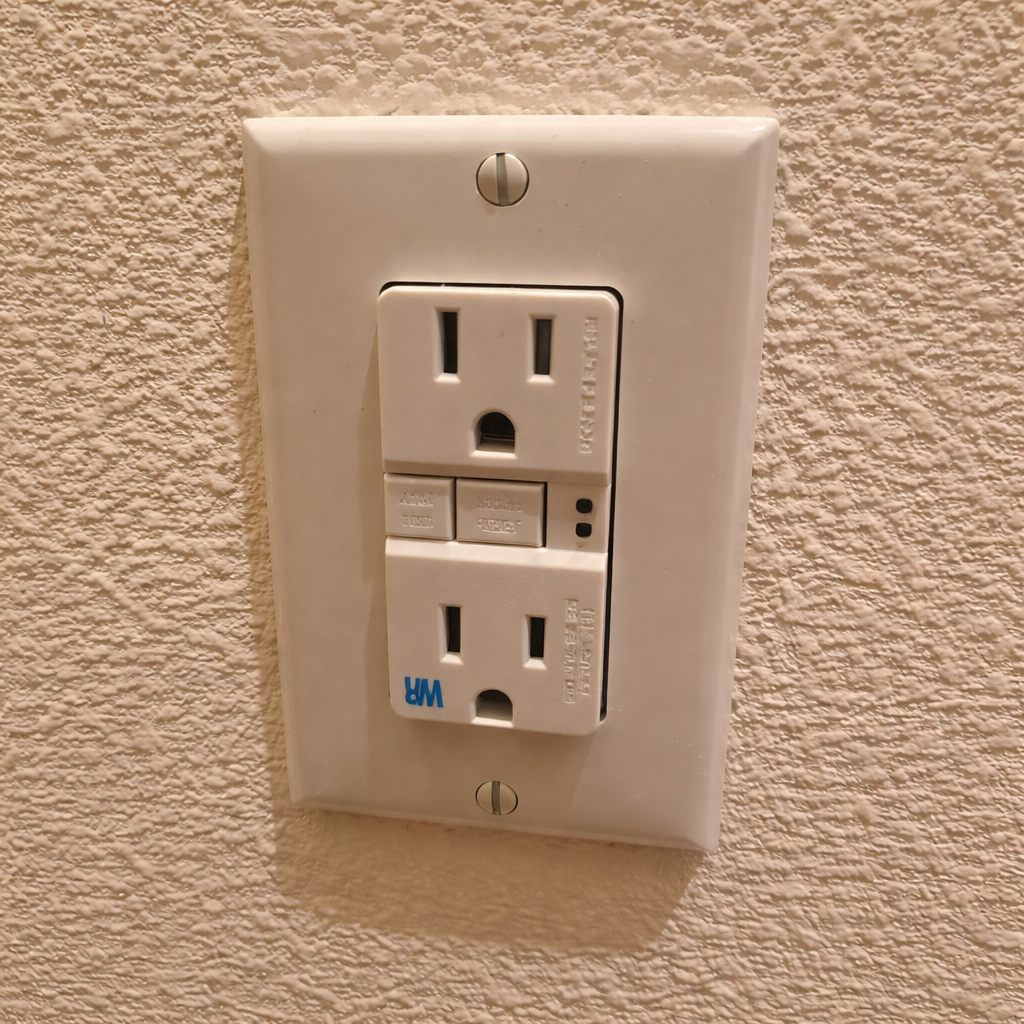
With the breaker off the risk is gone; with it on, a heating connection only gets worse.
Online or by phone. A technician reaches out within 1 business hour.
Traced to the box or device it lives in. Exact price before any work, you approve it first.
Right parts, tested under load, next connection checked so it does not come back.
A warm or hot outlet, switch or cover plate means resistance is turning into heat behind it: a loose connection, a worn outlet arcing against a plug, a circuit carrying more than it should, or in a 1965–75 home, aluminum wiring loosening under its screw. Mild warmth on a dimmer or a USB outlet under load is normal; warmth on a standard outlet or switch is not. Unplug it, turn off its breaker, and call — this is the condition that precedes most outlet fires.
Yes. Breaker off, then call. If there is smoke, flame, or the wall is hot, leave the house and call 911 first.
Warm outlets get same-day priority. Call (206) 486-6373.
Exact price after we see it, before any work starts.
Yes — dimmers give off a little heat as part of how they work. A standard switch or outlet should not.
Licensed electricians across South King and Pierce County. Exact price before any work starts.