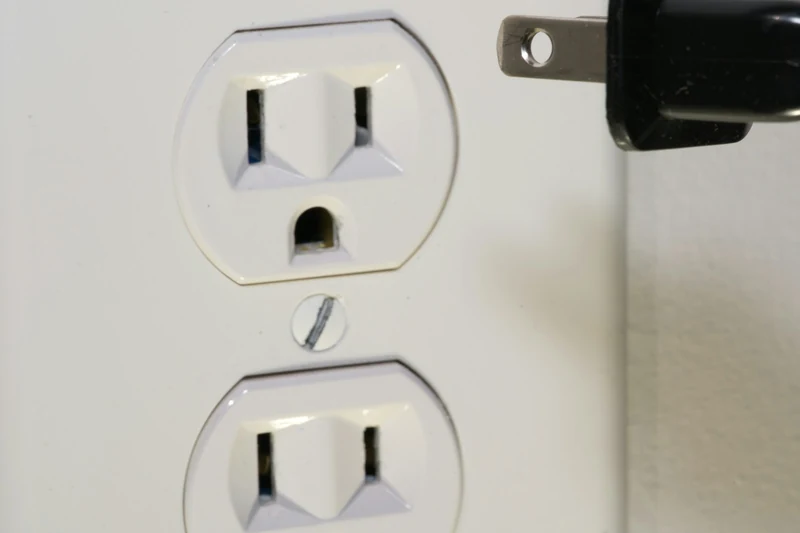
Next Phase Electric is a licensed and insured electrical contractor in Covington, WA, installing 240-volt outlets for EVs, dryers, ranges, RVs and shop tools across South King and Pierce County.
Three things set most of the price: how far the outlet is from the panel, whether the panel has room and the amperage.
Book online
Enter your ZIP code. If we serve it, you pick the service and a time. It takes about a minute.
These six things decide the size of the job.
Panel in the garage and outlet on the same wall is the short job. A panel on the far side of the house means a run through the attic or crawl space.
A 240-volt circuit needs two free breaker spaces and spare capacity. A full 100-amp panel may need a subpanel or an upgrade.
A 50-amp circuit uses heavier wire than a 30-amp circuit. The plug on your appliance decides which one you need.
Outlets in garages and outdoors need GFCI protection, usually from a GFCI breaker made for your panel.
A garage outlet usually runs in conduit along the wall. An RV pedestal by the driveway can need a trench.
A NEMA 14-50 for daily EV charging gets a heavy-duty receptacle. The cheap ones overheat.
One flat price for the whole job.
The dedicated circuit, breaker and wire
The outlet that matches your plug
Electrical permit and inspection
A test under load and a labeled breaker
You get the exact price first and approve it before any work starts.
The exact price comes upfront. You approve it before any work starts.
Online or by phone. A technician reaches out within 1 business hour.
Send a photo of the plug and the panel. We check the route and give you the exact price.
Two to four hours for most garages. A long run through a finished house takes most of a day.
It depends on three things: how far the outlet is from the panel, whether the panel has room, and the amperage. You get the exact price after we see the panel and the route, before any work starts.
A little. A 50-amp circuit uses heavier wire and a larger breaker. On a long run, the wire is most of the material.
It avoids a new circuit, but charging is slower, and moving the plug back and forth wears the outlet out. A separate outlet on its own garage circuit is the better setup for daily charging.
Most 200-amp panels can take it. A 100-amp panel that already runs an electric range and dryer may not have the capacity for a 50-amp circuit. We do the load calculation and, if it is tight, offer a smaller circuit, a load-management device, a subpanel or a panel upgrade.
Yes. A new circuit needs an electrical permit and an inspection. We pull the permit and meet the inspector.
Usually not. In a garage the cable often runs along the wall in conduit, and from a panel across the house it goes through the attic or crawl space. If a finished wall has to be opened, we tell you where and why before any work starts.
Licensed electricians across South King and Pierce County. Exact price before any work starts.